|
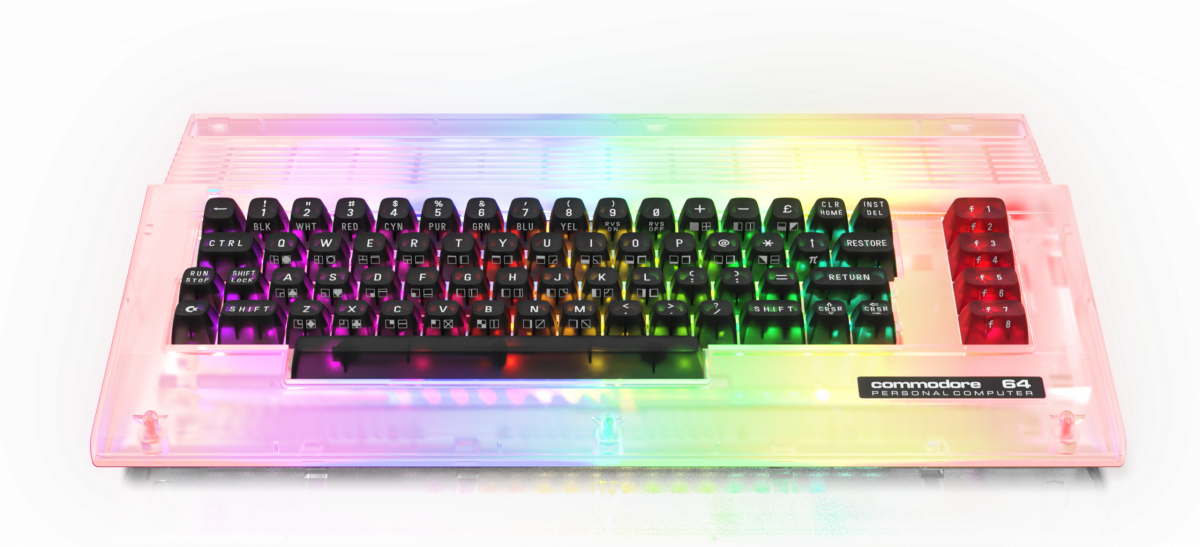
I started my technical writing career with a Commodore 64 over 40 years ago. Commodore is back with its best-selling Commodore 64 and 64C Ultimate and its modern version of the distraction-free flip-phone, Commodore Callback.
When I saw the Commodore 64 Ultimate at the recent Commodore LA Super Show, one of the things that caught my attention as a technical writer was the user's guide. The classic blue glossy cover and spiral binding brought back memories of the original Commodore 64 documentation. I had to get in touch with Commodore to find out how they created it and who wrote it.
Commodore put me in touch with their technical writer, Dan Sanderson. This is the first part of our interview. The second part will be published next month.
Tell us about your background and how you got into technical writing.
I’ve been a software engineer ever since the dot-com boom of the late 1990’s. I also love writing, and I noticed very early on how similar writing software and writing prose can be—and should be. Even so, software engineers that can write prose are rare enough to be a hot commodity, and I was able to lean into writing for interesting career opportunities. I like empowering people with computing, which includes tool making, API design, and technical writing. I strongly believe technical design and technical writing are closely related, and I always insist that technical writers be included early in the design process.
Four years ago, I joined the MEGA65 project, a modern recreation of a vintage Commodore computer that they never released that was to be called the Commodore 65. I’ve been writing on the MEGA65 manuals, and I also write a monthly email newsletter on Commodore programming. I also maintain the KERNAL ROM (operating system code), a task I consider to be tightly wedded to maintaining the documentation. My experience with that project made it an easy choice to get involved in a similar way with the Commodore 64 Ultimate.
How is working for Commodore different from your other jobs?
Commodore started as a group of very excited enthusiasts and industry veterans wanting to do cool things, and I wanted to be a part of it from the beginning. I kind of feel like I crashed the party: I just showed up and never left. “Is he with you?” “I thought you invited him…”
Everything is still new and improvisational, and we’re figuring out how to do big things with limited budgets. That includes finding novel ways of collaborating. One of the best ways this works is to find talented people and let them run as hard as they can with autonomy and freedom that you don’t get at big companies. This isn’t always possible, and sometimes we get multiple people running in different directions and we need to pull ourselves back and regroup. As long as you’re kind and generous with your partners when this happens, it’s a ton of fun. |